Selling your stuff online: when the ATO takes an interest, and when it does not
You’ve had a big clear-out. Forty listings went up over a month, most of them sold, and your PayID account has seen more traffic than it has in years. Somewhere around the sale of the second couch, a thought arrives. Does the tax office know about this? And does it care?
For most people clearing out a house, the ATO’s answer is reassuring, and it has put that answer in writing. Selling your own unwanted things is generally not income. There are a few lines you can cross, though, and it’s worth knowing where they are before you start buying things specifically to sell. If you’re still at the stage of deciding what to put up, our guide to writing a listing that sells will help with that part, and if you’d rather sell the lot in one go, a stall at the weekend markets in Melbourne is another way to move a lot of it. This piece is about what happens after the money comes in.
This is general information, drawn from the ATO’s own guidance. It isn’t advice about your circumstances.
The ATO’s line: unwanted personal items
The ATO sorts online selling into three groups. It can be a business. It can be an activity that produces income but isn’t a business. Or it can be a hobby or recreational pursuit, and the ATO puts casual sales of unwanted personal items in this last group.
On that last group, the ATO doesn’t hedge much. In its words: “Selling unwanted personal items that were originally acquired for private use, rather than for resale, will generally not result in assessable income.”
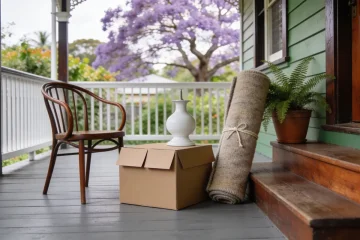
The key phrase is “originally acquired for private use”. The couch you bought to sit on, the kids’ bikes, the clothes, the kitchen gadgets, the tools from a renovation that’s finished. You bought them to use, not to sell, so selling them on later is not earning an income in the ATO’s eyes. That’s true even if a few of them sell for decent money.
The ATO also says that amounts you get from a hobby or from casual sales are generally not assessable, and that the flip side applies too: expenses related to them are not deductible. So you don’t declare the $80 you got for the old bike, and you don’t claim the petrol you spent dropping it off to the buyer.
For a household clear-out, that’s the answer. You’re not running a business, and the money isn’t income.
When it starts to look like a business
Things change when the selling stops being about getting rid of your own stuff.
The ATO describes a business as having a business-like mindset and an intention to make a profit. It says you commit to being in business through your intention, your active efforts and the assets you put in. In plain terms, it’s looking at why you’re doing it and how you’re going about it.
The signs most people would recognise:
- Buying to resell. Picking up furniture at garage sales to flip it, or buying stock in bulk to sell on, is a different thing from selling what you already own.
- Regular stock. A steady supply of items, rather than a one-off clear-out that runs out when the garage is empty.
- Pricing for profit. Working out margins, and pricing above what you paid.
- Advertising. Promoting your listings, running a shop page, building a brand.
None of these on its own decides it. The ATO looks at the whole picture. But if several of them describe you, you may have drifted from decluttering into something else.
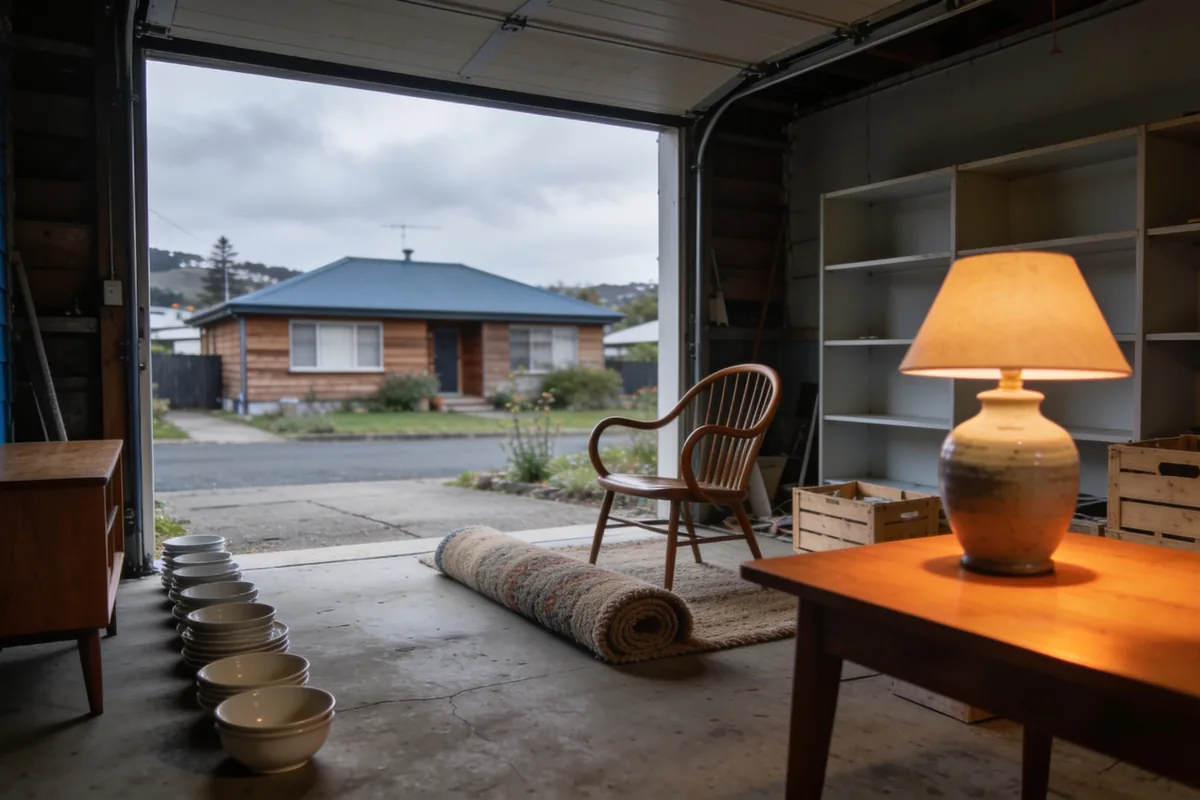
Two made-up sellers, as an illustration. Priya moves house and lists her dining table, a bookcase, two bikes and a box of kitchen gear. Everything was bought to use, and once it’s sold she stops. Tom starts doing the rounds of garage sales every Saturday, buys chairs and side tables he thinks he can sell for more, cleans them up and lists them during the week. When one sells, he goes looking for the next. Priya is clearing out. Tom is buying to resell, with regular stock and an eye on the margin, which is most of the list above. Neither example settles anyone’s real case, but they show which way the signs point.
The ATO also makes a point worth reading twice: not being in business does not automatically mean the money is tax-free. The middle group, an income-producing activity that isn’t a business, can still be taxable.
If you are in business, the ATO’s list is fairly short. Report the income, keep records, get an ABN, and in some cases register for GST. If you’re not sure which side of the line you’re on, a registered tax agent is the person to ask.
The $12,000 data-matching figure
This is the number that gets passed around, and it’s often misunderstood.
The ATO collects data from online marketplaces about sellers whose goods or services sold total $12,000 or more in a financial year. The marketplaces on its list include eBay and Amazon. It uses that data to find people who may have moved from a hobby to a business without telling it.
That figure is not a tax-free threshold. Staying under $12,000 doesn’t make a reselling business tax-free, and going over it doesn’t, by itself, turn your own furniture into income. It’s the point at which the ATO collects data from the platform, and nothing more. Whether money is taxable depends on what you’re doing, not on whether you crossed that line.
So if a big clear-out puts you over $12,000, the data may reach the ATO. If what you sold was your own unwanted stuff, the ATO’s guidance on personal items still applies.
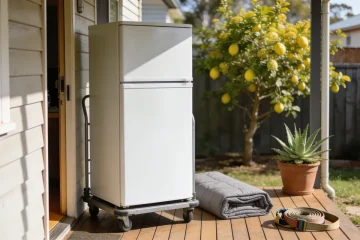
As an illustration, picture a downsizing couple who sell a dining setting, a fridge and the contents of a spare room over a few months, and the total for the financial year comes to $13,500. Their marketplace data may well reach the ATO. But they bought all of it to use, not to resell, so on the ATO’s guidance the money still isn’t income. Crossing the figure puts you in the data the ATO looks through. It doesn’t decide the answer.
The sharing economy reporting regime: goods are out
You might also have heard that platforms now report to the ATO. That’s true for some things, and the line falls in a helpful place for household sellers.
Since 1 July 2024, platforms in the sharing economy have had to report most transactions to the ATO under the sharing economy reporting regime. But the ATO says the regime doesn’t cover transfers of title or ownership of goods. When you sell something, ownership moves to the buyer, so it falls outside.
So selling your old couch is not a reportable transaction under this regime. Renting out your trailer through a platform can be. Most of what happens on a marketplace is selling, and selling sits outside it.
Capital gains on personal things
The last question people ask is whether capital gains tax comes into it. For most household items, it doesn’t.
The ATO’s guidance on capital gains says that for personal use assets acquired for $10,000 or less, capital gains and losses are disregarded. Personal use assets include things like furniture, electrical goods and household items. That covers almost everything in a typical garage.
Collectables have a lower figure. For collectables such as antiques and jewellery acquired for $500 or less, gains and losses are also disregarded.
Above those amounts, capital gains tax can apply. Note that the figure is what you paid, not what you sell it for. And one wrinkle: a set counts as a single asset. A set of antique chairs bought together is one asset, not six cheaper ones.
As an illustration, say you bought a lounge suite for $3,000 and sell it for $900. It’s a personal use asset bought for well under $10,000, so the loss is disregarded. Now say you bought an antique clock for $400 and it sells for $2,000. That’s a collectable, but it cost under $500, so the gain is disregarded too. In both cases the purchase price decides it, not the sale price.
If you’re selling something you bought for well over those amounts, it’s worth getting advice before you sell.
GST
GST registration only becomes a requirement for a business, and only at GST turnover of $75,000 or more. A household clear-out isn’t a business, so it doesn’t arise. If your selling has become a business and it’s heading toward that figure, that’s a conversation to have with a tax agent.
The order of the two tests matters. The first is whether you’re running a business at all, and only if the answer is yes does the $75,000 figure come into play. Selling a lot of your own furniture doesn’t get you to the second question.
Records worth keeping anyway
Even if everything you sold was your own unwanted stuff, a few records cost nothing to keep and can save you some stress later:
- Screenshots of your listings, showing what you sold and roughly when.
- What you paid for higher-value items, especially anything near the $10,000 or $500 marks.
- Receipts for anything you sold, if you gave the buyer one, and anything you were given as proof of purchase in the first place.
The receipt habit is worth having in any private sale. Our piece on private-sale fine print explains why it matters for the buyer and the seller.
When should you talk to someone? If you’ve started buying things to resell, if your sales are regular rather than a one-off, or if you’ve sold something you paid a lot for, see a registered tax agent. They can look at your actual situation, which no general article can do.
Decluttering is not a business
Selling your own unwanted things, in the ATO’s words, “will generally not result in assessable income”. The $12,000 figure is the point at which the ATO collects marketplace data, not a tax-free limit. Selling goods isn’t covered by the sharing economy reporting regime, and most household items are personal use assets that sit under the $10,000 capital gains line.
The line moves when you start buying to resell, pricing for profit and selling regularly. Until then, clear the garage and keep a few screenshots.
Sources: ATO, Are you in the business of online selling? (https://www.ato.gov.au/businesses-and-organisations/starting-registering-or-closing-a-business/starting-your-own-business/are-you-in-business/are-you-in-the-business-of-online-selling); ATO, Online selling data (https://www.ato.gov.au/about-ato/commitments-and-reporting/in-detail/privacy-and-information-gathering/how-we-use-data-matching/online-selling-data-matching-program-protocol/online-selling-data); ATO, 18 Capital gains 2026 (https://www.ato.gov.au/forms-and-instructions/individual-supplementary-tax-return-2026-instructions/income-questions-13-24-supplementary-tax-return-2026/18-capital-gains-2026)