Bought something that turned out to be stolen: who owns it now, and what to do next
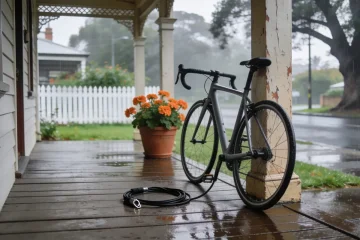
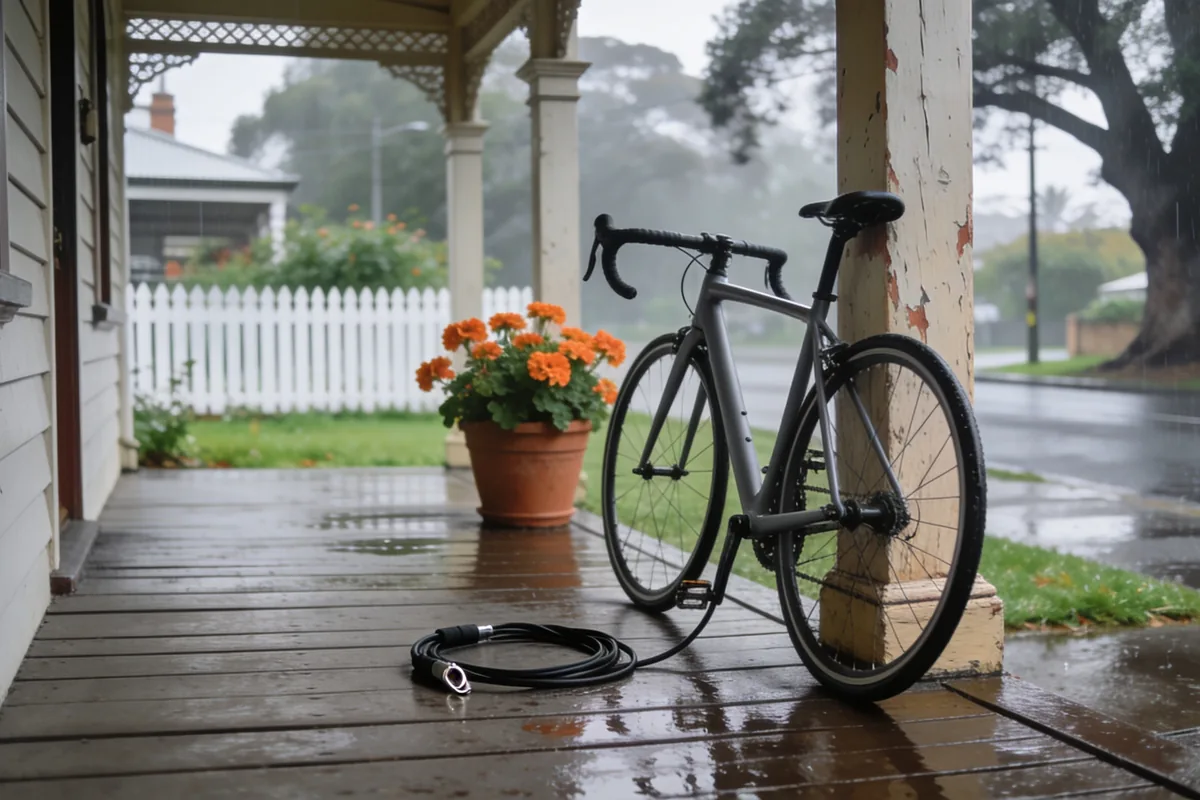
A few weeks ago you bought a bike on Marketplace. The price was good, the seller was friendly, and you’ve been riding it to work ever since. Then a post appears in your local community group. Someone’s bike was taken from their front verandah last month, and the photo in the post is your bike. Same colour, same scratch on the top tube, same slightly odd bell.
It’s a horrible feeling. You paid for it. You didn’t steal anything. So whose bike is it now, and what are you meant to do?
This guide covers the general legal position, the first steps to take, how you might get your money back, and the checks that make this much less likely to happen again. Please read it as general information, not legal advice. The law here depends on where you live and on the facts, so if you’re in this situation, it’s worth getting advice about your own circumstances.
Who owns it now
The short answer is that it’s usually not you, and that’s hard to hear.
The general rule is that a person can’t pass on ownership they never had. In law this is about “title”, meaning the right to own something. Sale of goods laws are made by each state and territory, and in New South Wales, for example, the rule sits in the Sale of Goods Act 1923. The general position is that when goods are sold by someone who isn’t the owner, and who doesn’t have the owner’s authority to sell them, the buyer gets no better title than the seller had. Other states and territories have their own Acts, and the wording and the exceptions differ.
A thief has no title to pass on. So in general, the person the item was stolen from still owns it, even after it has been sold on, perhaps more than once.
What about the fact that you bought it honestly? Unfortunately, buying in good faith and paying a fair price usually doesn’t change who owns the item. Your honesty matters a great deal in other ways, as you’ll see below, but it generally doesn’t make the item yours.
There are exceptions. The law has some narrow situations in which a buyer can end up with better title than the seller had, and the details vary from state to state. Whether any of them could apply depends on exactly what happened. That’s why this guide keeps saying “generally” and “usually”. If real money is involved, or you and the owner disagree, contact Legal Aid in your state or a community legal centre. They can look at your situation properly, which a general article can’t.
The first hour
If you think something you bought may be stolen, the next few steps count.
Stop using it, and don’t sell it. It’s natural to want the problem gone, but selling something you now suspect is stolen passes the problem to someone else, and it could leave you in a much worse position. Put it somewhere safe and leave it as it is.
Contact the police. Explain what has happened, how you came to buy the item, and where you saw it posted as stolen. Be open with them and give them everything you have. If the owner has posted publicly, the police are the right people to bring the two of you together, rather than you arranging a handover yourself.
Keep every record. Take screenshots of the original ad if it’s still up, and of the seller’s profile. Save all your messages with the seller. Keep your payment record, whether that’s a bank transfer, a card statement or a platform receipt, along with any receipt the seller gave you. Write down when and where you met and what the seller looked like, while it’s still fresh.
Don’t confront the seller. It’s tempting to send an angry message or turn up at their address, but that can be unsafe, and it can make things harder for the police. Leave contact with the seller to them.
If the owner gets in touch with you directly, stay calm and polite. Tell them you’ve reported it to the police and would like to sort it out through them.
Will you be in trouble?
This is often the first worry, and it’s a fair one.
In general, offences involving stolen goods turn on what the buyer knew, or had reason to believe, at the time. Someone who knowingly buys stolen property is in a very different position from someone who bought in good faith with no reason to suspect anything. The exact offences differ between states, so this is only the broad picture.
That’s why being honest early matters so much. Going to the police yourself, explaining what happened and handing over your records shows you’re trying to do the right thing. Hiding the item, selling it on or deleting messages does the opposite.
If you’re worried about your own position, Legal Aid or a community legal centre can talk it through with you.
Getting your money back
Losing the item is bad enough. Losing the money as well hurts more. There are a few ways you might recover some or all of it, though none of them is guaranteed.
The seller is the obvious place to start. They sold you something they had no right to sell. If you know who they are, or the police find them, you may be able to ask for your money back. Whether you actually get it depends on whether they can be found, and whether they have the money to pay.
Your payment method may help, too. If you paid by card, or through a platform with buyer protection, contact your bank or the platform quickly and explain what happened. Ask whether you can dispute the payment. Your records, and a police report number, will support your case. If you paid in cash or by bank transfer, this route is much harder, though it’s still worth asking your bank.
Then there are the police and the courts. If the seller is charged, a court may in some cases order them to pay compensation or restitution to people who lost out. This depends on the case, it takes time, and it isn’t certain. Ask the police whether they can keep you informed, and how you can let them know about your loss.
Be realistic about all of this. An honest buyer can end up out of pocket, at least for a while. That doesn’t seem fair, and it’s the strongest reason to put your effort into the checks below, before you pay.
The checks that stop it next time
Most of these take a few minutes, and they’re far easier than untangling a stolen purchase afterwards.
Search the PPSR where you can. The Personal Property Securities Register can be searched for goods that have a serial number and can be registered, such as vehicles, boats and some machinery, to see whether money is owed on them. It won’t help with a bike or a phone, but for anything bigger it’s a sensible first step. For cars, the NSW Government’s guide to selling a used car tells sellers to have proof they’re entitled to sell, and to check for finance owing, so it’s perfectly reasonable for a buyer to ask about both.
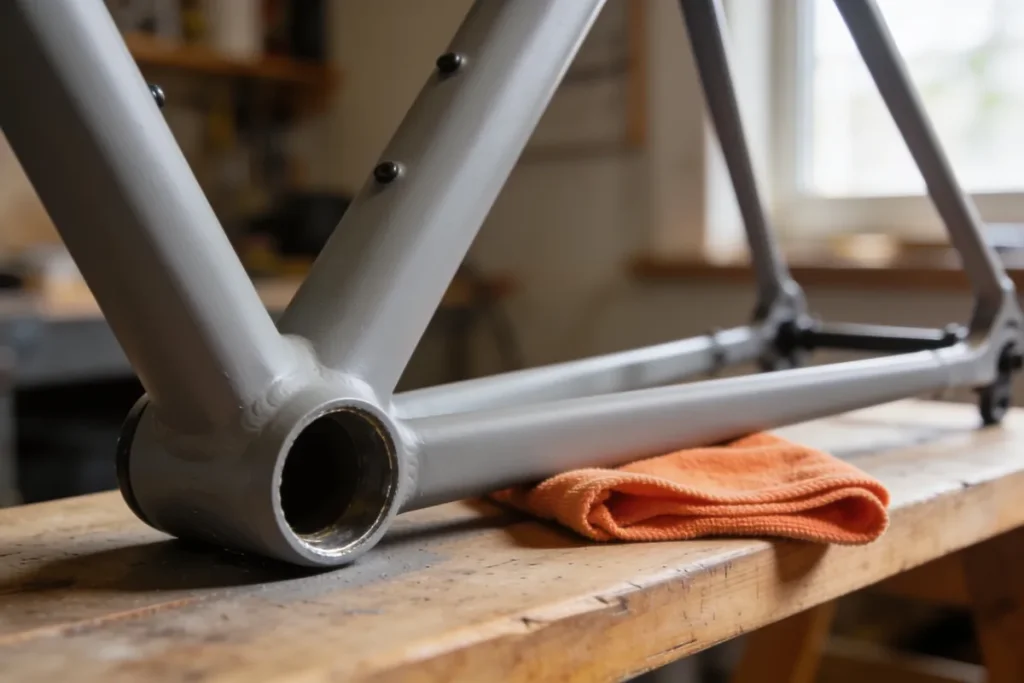
Check the serial number. Many items have one, including bikes, phones, laptops and power tools. On a bike, it’s usually stamped under the frame. The number should be there, clear and unaltered. If it has been scratched off, filed down or covered up, walk away. For phones, our guide to buying a second-hand phone explains the blocked and locked checks. For e-bikes, our guide to second-hand e-bike checks covers the proof of ownership to ask for.
Meet at the seller’s home. A seller who is happy for you to come to their house usually has less to hide than one who will only meet in a car park. It isn’t a guarantee, but it’s a good sign.
Ask how they came to own it. A genuine owner can usually tell you where they bought it, and may still have the receipt, the box or photos of it in use.
Be wary of prices that are too good. If something is far cheaper than similar items, ask yourself why. Our rundown of marketplace scams in Australia covers the bargain-price warning signs in more detail.
Get a receipt. Ask for a written receipt with the seller’s name, the date, the item, its serial number and the price. A genuine seller won’t mind, and it gives you a record if anything goes wrong later.
Check the number before the price
Finding out you’ve bought something stolen is upsetting, and it’s often costly. In general, the item goes back to its owner, because a seller can’t pass on ownership they never had. The rules come from state and territory sale of goods laws, such as the Sale of Goods Act 1923 in NSW, and they vary from state to state. If it happens to you, stop using the item, contact the police, keep every record, and get legal advice from Legal Aid or a community legal centre. Next time, check the serial number and run a PPSR search where you can, before a good price makes the decision for you.
Sources: NSW Legislation, Sale of Goods Act 1923 (https://legislation.nsw.gov.au/); NSW Government, Selling a used car (https://www.nsw.gov.au/driving-boating-and-transport/buying-and-selling-vehicles/selling-a-used-car)