Cash for cars, a wrecker or a parts sale: getting the most for a car that does not run
The car has been in the driveway since winter. The engine’s cooked, or the gearbox is, or it failed rego on something that would cost more than the car is worth. Every few weeks a sticker appears on the windscreen, or a flyer turns up in the letterbox, offering top cash and free removal for unwanted cars. It’s tempting to ring the number and be done with it.
You can. But it pays to know who you’re ringing. “Cash for cars” is a slogan, and in two states it’s an odd one, because a scrap metal dealer there isn’t allowed to hand you cash at all. There’s also more than one way to sell a car that doesn’t run, and the obvious one isn’t always the one that pays best. What follows is how the options compare, what the law says in NSW and Victoria, and the paperwork that stops the car’s tolls and fines following you once it’s gone.
Three routes
A dead car usually leaves by one of three routes.
The first is a scrap metal dealer or a wrecker, which some call an auto recycler. They buy the car as it stands, tow it away, and either strip the useful parts to resell or send it off for metal. It’s the quickest route by a long way: one phone call, a pickup time, and the car is gone. It’s also the route where you have the least say in the price, because you’re selling to someone whose business depends on buying cheaply.
The second is a buyer who wants the car itself. Some want a project to fix up. Others want a parts car to keep their own running. These buyers are out there for popular models, older four-wheel drives, cars with a motorsport following, and anything with an owners’ club behind it. They can pay more than a wrecker, because they value the car for what it is rather than what it weighs. The catch is that you have to find them, and that takes longer.
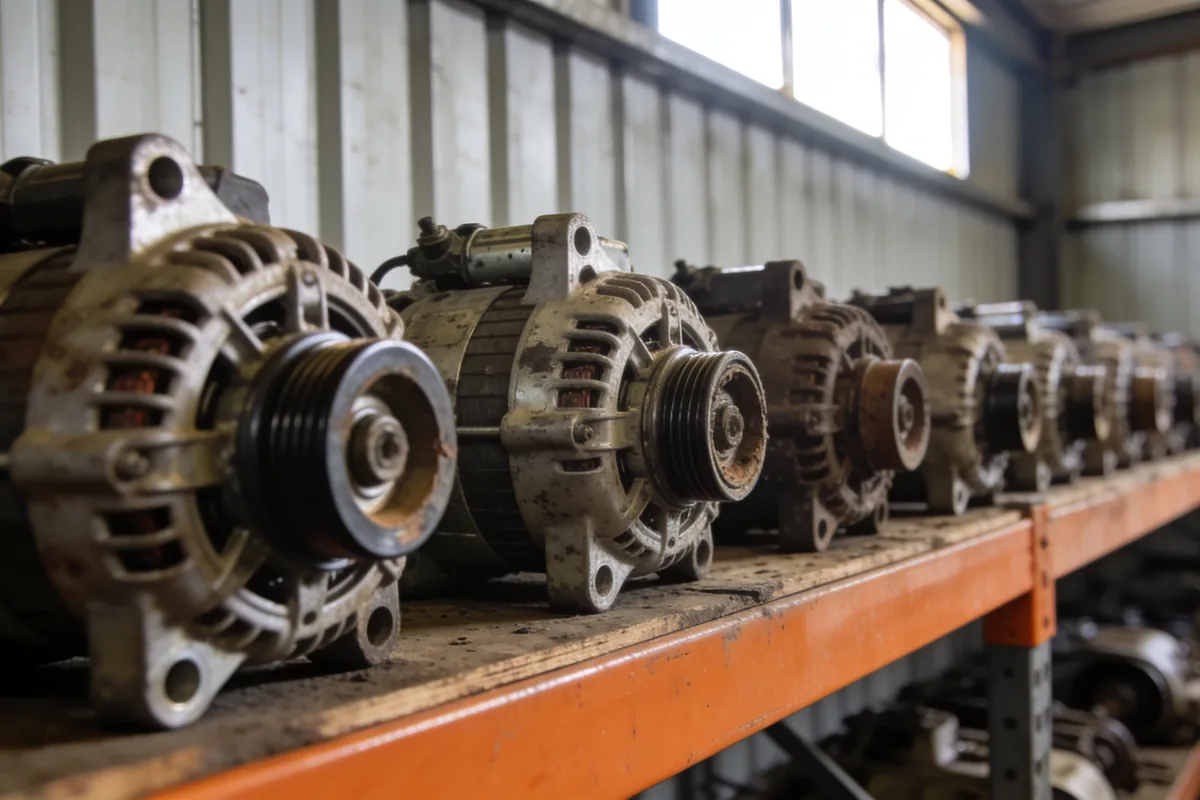
The third is parting it out yourself. You pull off the parts that sell, list them one at a time, and scrap what’s left. This can bring in the most money of the three. It also costs the most in time, space and patience, and the shell still has to go somewhere at the end.
Which one suits you depends mostly on the car, and on how many weekends you’re prepared to give it.
What “cash for cars” means in NSW and Victoria
This is the fine print the flyers leave out.
In New South Wales, the Scrap Metal Industry Act 2016 makes it an offence for a scrap metal dealer to pay cash for scrap metal. They have to pay another way, such as electronic funds transfer or cheque. The same Act makes it an offence for a dealer to buy a vehicle whose identifier has been removed, unless police have authorised it.
Victoria has a similar ban, with a twist. According to Consumer Affairs Victoria, it’s illegal to pay or receive cash for scrap metal, and that includes motor vehicles sold as scrap, whether they run or not. Dealers have to keep records of their transactions, including the vehicle’s identifier, and scrap metal dealers are registered as second-hand dealers. The twist is an exemption. Second-hand vehicles bought to be dismantled so their parts can be sold are exempt from the cash ban. So in Victoria, how a buyer is treating your car matters to how they can pay for it.
Why have these rules at all? Cash leaves no trail. Electronic payment, plus a record of every transaction, makes it much harder to turn a stolen car into quick, untraceable money.
In practice, if you sell a dead car for scrap in NSW or Victoria, expect to be paid by transfer or cheque, and expect to be asked for proof the car is yours. If a scrap buyer in either state offers you a roll of notes, they’re not playing by the rules, and it’s reasonable to wonder what else they’re relaxed about.
Other states have their own rules on scrap metal and second-hand dealers, and they don’t all match. Check what applies where you live.
How wreckers price
Wreckers don’t all use the same formula, but the same few things turn up in nearly every quote:
- The weight of the car. A heavier car has more metal in it, and the metal sets a floor under what any car is worth to a wrecker.
- The parts worth selling. A car with a good engine, gearbox, panels or interior is worth more to a recycler who can sell them on.
- Demand for the model. Parts for common cars move quickly, and a recycler who knows the doors and headlights will sell can afford to pay more.
- How far the truck has to come. Distance costs them fuel and time, and that comes out of your price.
- Whether it’s complete. A car that’s already missing its engine or wheels is worth less, and some buyers won’t take it at all.
That brings us to “free towing”. Towing is never free. The truck, the fuel and the driver all cost money, and that cost is built into the price you’re offered. That’s fair enough. Just don’t treat “free removal” as a bonus on top.
The practical step is to get two or three quotes. Describe the car honestly each time: the make, model and year, what’s wrong with it, whether it’s complete, and where it’s parked. A quote based on an accurate description is less likely to shrink when the driver arrives and takes a look. If the price drops on the day for no good reason, you’re allowed to say no and ring the next one.
Selling to a project or parts buyer
If your car has any sort of following, try the enthusiasts before the wrecker. Plenty of people are after an older four-wheel drive, a classic, or a model that’s popular in motorsport, even one that doesn’t run. Some want to fix it. Some want the bits to keep their own on the road.
Model clubs and owners’ groups are the natural place to start. Their members tend to know exactly which parts are hard to find, and what those parts are worth to them. A single post in the right group can reach the one person who wants your car more than anyone else in the state.
What makes a non-running car sell privately is plain honesty. Describe the fault as clearly as you can. “Engine knocks and won’t start, gearbox was fine when it last drove” is far more useful to a buyer than “needs a bit of TLC”. Say what works and what doesn’t, mention rust and missing parts, and take clear photos of the problem areas as well as the good side. Our guide to writing a listing that sells goes through the photos and description in more detail.
State clearly that the car is sold as is. Put it in the listing and on the receipt. A buyer who knows exactly what they’re getting is much less likely to come back unhappy, and an honest ad tends to draw the people who know what to do with a project.
Sort out the logistics early. A car that doesn’t run needs a tow truck or a car trailer to leave, so agree who’s arranging that before the buyer turns up. And as with any private sale, write a receipt with both names, the car’s details, the price, and the words “sold as is”.
Parting it out yourself
Parting out can get the most money from a dead car. It’s also the option most likely to leave half a car in your driveway for a year.
Be realistic about what it takes. You need the tools and the know-how to get parts off without damaging them, somewhere dry to store them, and the patience to list each one, answer the questions and wait for buyers. Some parts go in a day. Others sit on a shelf for months.
Think about where the car lives while you work on it. Councils have rules about unregistered vehicles on the street, so keep it on your own property, off the road and out of trouble.
When you’ve finished, you’ll still have a shell to get rid of. A wrecker or scrap dealer will usually still take it, though for less than the whole car would have fetched.
If you enjoy it and start doing it with car after car, be careful. Regularly buying cars, stripping them and selling the parts can start to look like a business. Our guide to selling online and the ATO explains when the tax office starts to treat selling as more than clearing out.
The paperwork
Selling the car is half the job. The other half is making sure it’s no longer yours on paper, because until it isn’t, the tolls, fines and rego notices can keep arriving at your place.
Have proof that you own it. A buyer, whether it’s a wrecker or a private person, is entitled to want to see that the car is yours to sell. Keep the registration papers and anything that shows you bought it.
Clear any finance first. If money is still owed on the car, deal with that before you sell. A car with finance owing isn’t fully yours to sell.
Get paid before you sign. The NSW Government’s advice to sellers is not to sign the transfer papers until you’ve been paid. With a bank transfer, that means the money is in your account, not a screenshot of a payment on someone’s phone.
Lodge the notice of disposal. In NSW, the seller has to lodge a notice of disposal within 14 days of selling the car, and that applies to private sellers too. The same NSW guidance covers selling to a recycler, so read it if your car is going to a wrecker. Deal with the number plates and the registration the way Service NSW directs.
Close off the rest. Take the e-tag out of the car and update or close your toll account, so the next driver’s trips don’t land on your bill. Tell your insurer the car has been sold.
Other states have their own version of the notice of disposal, and their own rules on plates, so check with your state’s transport authority. Keep copies of everything: the receipt, the transfer and the disposal confirmation. If a fine turns up months later, that’s your proof. Our guide to private-sale fine print covers the receipt and the transfer in more detail.
Get paid, then sign
A car that doesn’t run still has some value in it. A wrecker is the fastest way to turn it into money. A project or parts buyer can pay more if the car has a following, and parting it out can pay the most if you have the time and the space. Get a few honest quotes. In NSW and Victoria, expect a scrap dealer to pay by transfer or cheque, not cash. Whichever way it goes, get paid before you sign anything, and lodge the disposal straight away. Once it’s off your name, the oil stain on the driveway is the only part of it still yours.
Sources: Consumer Affairs Victoria, Scrap metal laws (https://www.consumer.vic.gov.au/licensing-and-registration/second-hand-dealers-and-pawnbrokers/scrap-metal-laws); NSW Government, Selling a used car (https://www.nsw.gov.au/driving-boating-and-transport/buying-and-selling-vehicles/selling-a-used-car); Scrap Metal Industry Act 2016 (NSW) (https://legislation.nsw.gov.au/view/html/inforce/current/act-2016-042)